
How to Prepare Your Fleet for Seasonal Weather Changes


Understanding Seasonal Challenges
As the seasons change, so do the challenges that come with managing a fleet. Each season presents unique weather conditions that can impact vehicle performance, safety, and efficiency. Being proactive in preparing your fleet for these changes is crucial to maintaining operations and minimizing downtime.

Conducting Seasonal Inspections
One of the first steps in preparing your fleet for seasonal weather changes is conducting thorough inspections. Check all critical vehicle components, including brakes, tires, and fluid levels. Look for wear and tear that could be exacerbated by extreme weather conditions, such as cold temperatures or heavy rainfall.
During these inspections, pay close attention to tires. Ensure they have adequate tread and are inflated to the proper pressure. This will help maintain traction and improve fuel efficiency, particularly in wet or icy conditions.
Updating Maintenance Schedules
Adjust maintenance schedules to account for the demands of the upcoming season. For winter, ensure that your fleet's heating systems are functioning correctly, and consider switching to winter-grade oil for better performance in cold temperatures. In warmer months, focus on cooling systems to prevent overheating.

Training Drivers for Weather Conditions
Driver training is a vital component of preparing your fleet for seasonal weather changes. Equip your drivers with the knowledge and skills to handle adverse weather conditions safely. This includes defensive driving techniques for snow, rain, or fog.
Provide them with tips on how to recognize and react to hazards, like black ice or hydroplaning. Regular training sessions can significantly reduce the risk of accidents and improve overall fleet safety.
Utilizing Technology
Technology plays a crucial role in managing a fleet during seasonal changes. Use GPS tracking and telematics to monitor vehicle performance and location in real-time. This technology can alert you to potential issues, such as engine trouble or unsafe driving behavior, allowing for prompt intervention.
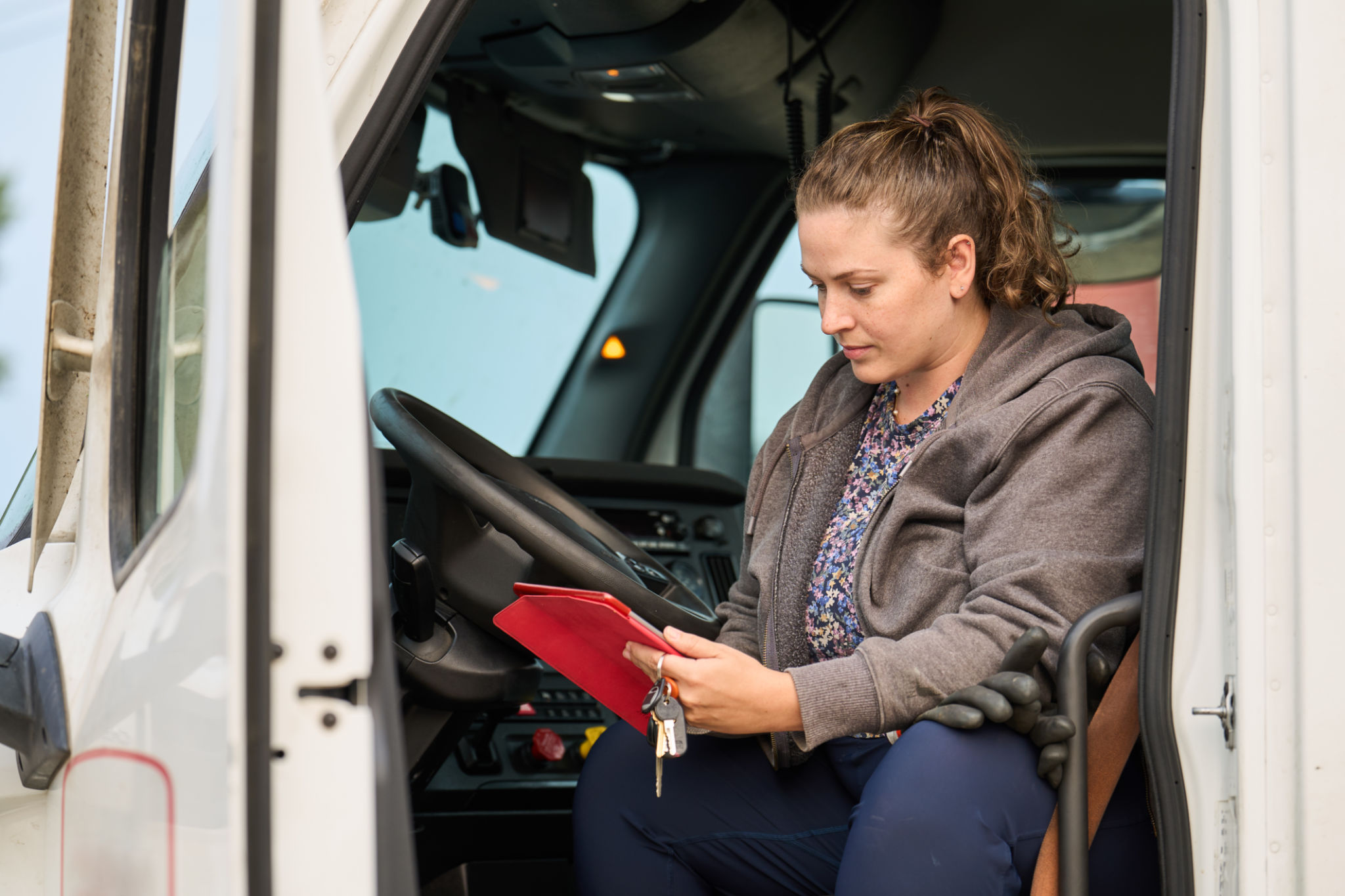
Additionally, weather apps and alerts can provide real-time updates on road conditions, helping drivers make informed decisions on their routes and driving speeds.
Stocking Seasonal Supplies
Ensure that each vehicle in your fleet is stocked with necessary seasonal supplies. In winter, this might include ice scrapers, snow brushes, and emergency blankets. For warmer months, consider sunshades and extra water bottles to keep drivers cool and hydrated.
Having these supplies on hand not only enhances driver comfort but also prepares them for unexpected situations, improving safety and readiness.
Reviewing Insurance Policies
Finally, review your fleet's insurance policies to ensure adequate coverage for seasonal risks. Weather-related accidents can lead to costly repairs and liability claims, so it’s important to have comprehensive coverage that protects your investment.
Discuss with your insurance provider about additional coverage options for specific seasonal threats, such as hailstorms or heavy snowfall.
Conclusion
Preparing your fleet for seasonal weather changes is an ongoing process that requires attention to detail and a proactive approach. By conducting regular inspections, updating maintenance schedules, training drivers, utilizing technology, stocking seasonal supplies, and reviewing insurance policies, you can ensure your fleet remains safe and operational year-round.
